

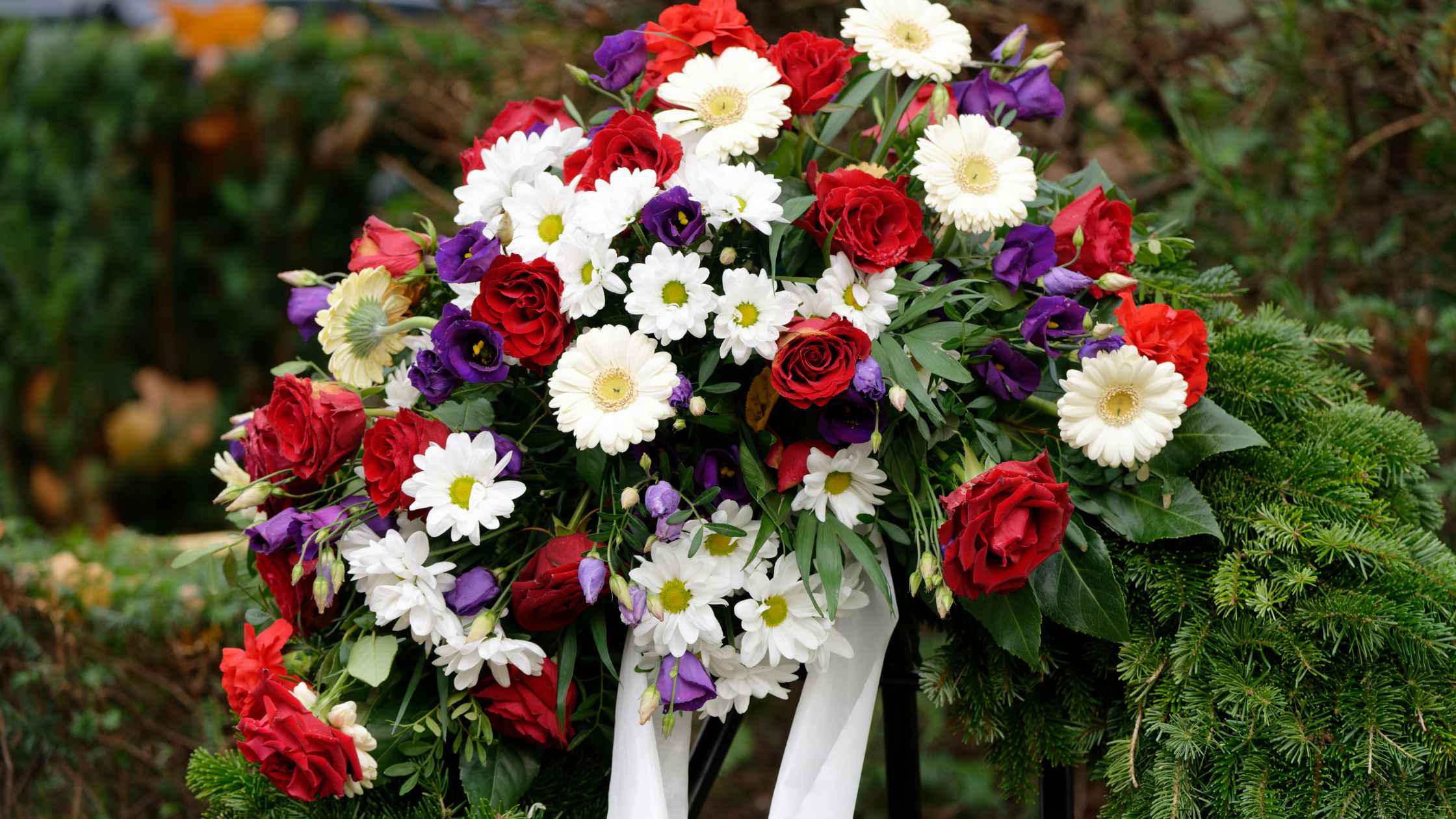
A homegoing service is a funeral rooted in African American culture and Christian faith that holds grief and celebration together, honoring the belief that a loved one has gone home to God. Losing someone you love brings grief, reflection and a desire to honor the life they lived. For many families, especially within African American Christian communities, a homegoing service creates space to mourn while also celebrating faith, family and legacy. These gatherings may include prayer, music, Scripture, personal reflections and meaningful traditions. While every family approaches loss differently, understanding the purpose behind a homegoing celebration can help you create a farewell that feels personal, respectful and true to your loved one.
Henderson’s Funeral & Cremation Care, at 3500 Sixth Avenue in Des Moines, plans homegoing services as part of its traditional funeral services for families across the metro, including Urbandale, Clive and Ankeny. In Episode 10 of the funeral home’s podcast, From Compassion to the Conversation, licensed funeral director Rick Ramsey explained to host Mike Downer how those services come together, and his experience is quoted by name throughout this guide.
What Does a Homegoing Celebration Mean?
A homegoing celebration is a funeral tradition centered on remembering a person’s life through a spiritual perspective. The word “homegoing” reflects the Christian belief that death is not only an ending. It can also represent a return home to God and the promise of eternal life.
That belief often shapes the tone of the ceremony. Grief remains present, and families are never expected to hide the pain of losing someone. At the same time, the gathering may include gratitude, hope, worship and celebration. Rick Ramsey describes it as “a transition that not only involves grief but also genuine celebration,” and he says the service “goes back and forth between grief and celebration.”
Homegoing traditions have deep roots in African American communities. Funeral programs preserved by the National Museum of African American History and Culture, including one printed for a “Homegoing Celebration,” show how families have used Scripture, photographs, obituaries and orders of service to preserve memories and honor a person’s life.
A meaningful ceremony can remember faith, relationships, character and the influence a person had on others. No two families need to follow the same format.
Why Are Homegoing Traditions Important?
Homegoing traditions matter because they give families a familiar structure for grief, faith and remembrance during a difficult and emotional time. They create familiar ways to gather, share memories, support one another and acknowledge the significance of a loss.
Within many African American families and churches, these traditions also connect generations.
The gathering may include relatives, church members, friends, neighbors and community leaders. Each person knew a different part of the individual’s life, and those memories can create a fuller picture of who they were.
These traditions can also reflect family history through familiar hymns, longtime pastors and church relationships. The Smithsonian’s National Museum of African American History and Culture has documented the role of funeral and mourning traditions in African American history, including formal funerals held weeks or months after a burial.
Traditions may evolve, but the purpose remains the same: honoring the person who died while supporting those who remain.
What Happens During a Homegoing Celebration?
A homegoing celebration usually includes a visitation, a processional, prayer and Scripture, music, reflections from family and friends, a eulogy and a committal, arranged in the order the family and its church choose. The order of events depends on the family’s wishes, religious beliefs, church customs and the personality of the person being remembered.
Rick Ramsey says a homegoing service tends to run longer than other funerals. In his experience, a traditional funeral service takes between 45 minutes and an hour and 15 minutes, while a homegoing service may take up to two or two and a half hours, often with a choir, four or five hymns or songs, and up to 10 or 12 family members and friends who speak.
Visitation or Viewing
Some families hold a visitation before the funeral. This gives relatives and friends time to gather, offer condolences and spend a quieter moment remembering their loved one.
A viewing may also be part of the visitation when the family chooses an open-casket ceremony.
Processional, Prayer and Scripture
The formal ceremony may begin with a processional as family members enter the church, chapel or other gathering place. Rick says Henderson’s reaches out to the family’s church, its pastors and its deacons ahead of time to go through the order of procession together.
A pastor, minister or other faith leader may open the ceremony with prayer or Scripture. These moments can establish the spiritual focus of the gathering and provide comfort to people who are grieving.
Music and Worship
Music is often one of the most memorable parts of a funeral.
Gospel songs, hymns, choir performances, solos and instrumental selections can all be included. Some families choose traditional religious music, while others incorporate songs that had personal meaning to their loved one. Rick says a family may have a choir or may use recordings, and either way, music is a big part of the service.
A favorite hymn may recall Sunday mornings together, while another song may bring back family memories. Music can bring tears, comfort and connection. Families can use it to make the ceremony feel personal.
Reflections and Tributes
Family members, friends, church members, coworkers or community leaders may be invited to share reflections. Rick says there may be a point in the middle of the service when anywhere from 15 to 20 family members or friends stand up, one after another, to give their remembrance of the person.
These stories can reveal different parts of a person’s life. A daughter may remember advice, a childhood friend may share a funny story, or a coworker may describe the person’s kindness.
The Eulogy
The eulogy is often one of the central parts of the ceremony. It may be delivered by a pastor, relative, friend or another person chosen by the family.
A thoughtful eulogy can recognize both loss and legacy.
The speaker can set aside the list of dates and achievements and describe qualities such as generosity, humor, faith, resilience or devotion to family. Honest stories can help people remember the whole person.
Final Farewell and Committal
After the ceremony, families choosing burial may travel to the cemetery for a committal or graveside service.
This portion is often shorter and more intimate. A pastor or family member may offer prayer, Scripture or final words before burial. Afterward, Rick says, everyone is usually invited back for the repast, a luncheon where family and friends keep sharing memories.
Families choosing cremation also have options. A funeral can take place before cremation, or a memorial gathering can be held afterward. Choosing cremation does not prevent a family from observing meaningful religious or cultural traditions.
How Is a Homegoing Celebration Different From Other Funerals?
A homegoing celebration differs from other funerals mostly in its meaning, atmosphere and length, more than in its format.
Many traditional funerals also include prayer, music, readings, eulogies and burial. A homegoing celebration may contain many of those same elements.
The distinction often lies in how the gathering understands death.
Rather than focusing only on loss, the ceremony may emphasize a person’s transition into eternal life. That belief can influence the preaching, music, Scripture and overall tone.
Families may cry, laugh, pray, sing and share memories during the same gathering. Grief and gratitude can exist together, which is part of what makes the tradition meaningful.
How Can Families Personalize the Ceremony?
Families can personalize a homegoing service with photographs, music, attire, readings and personal belongings that are unmistakably connected to the person being remembered.
Personalization does not require an elaborate event. Small details can communicate a great deal about someone’s life.
Families may display photographs, create a video tribute or include a favorite poem, Scripture passage or obituary in the program. Personal belongings, awards, artwork, uniforms or family heirlooms can also help tell the person’s story.
Some families ask guests to wear a loved one’s favorite color or clothing connected to an important organization. Fellowship after the ceremony can provide more time to share memories.
Attire for the loved one matters too. Rick says Henderson’s goes over details as fine as fingernail polish and colors, so a loved one in a light pink casket might be dressed in an offsetting blue, and sleeve length and neckline are chosen so the person looks natural.
Families do not need to include every possible element. The best choices are the ones that genuinely represent their loved one.
How Do You Plan a Homegoing Service?
To plan a homegoing service, start with what mattered most to your loved one, then confirm the church and clergy, the music, the speakers and the repast. Planning a funeral often requires families to make several decisions within a short period, and compassionate guidance can make the process feel more manageable.
Think about faith, personality, relationships and wishes. If your loved one discussed funeral preferences before death, those conversations can provide valuable direction.
Next, consider who should participate, including clergy, speakers, readers and musicians. Rick says the first step is to make sure the church, its pastors and its clergy are available. Then address practical details such as the date, location, visitation, burial or cremation arrangements, the repast and printed materials.
Rick’s view is that a family “should never have to explain why this is what they want,” and that the funeral home’s job is to make sure the church and the pastor are on board with the order of service. For what to ask while comparing providers, see our summary of what African American families in Des Moines should look for in a funeral home.
Costs are also an important part of planning. The Federal Trade Commission explains that the Funeral Rule gives consumers the right to receive pricing information and choose many of the funeral goods and services they want. Families should feel comfortable asking questions and requesting clear explanations before making decisions.
A caring funeral director can help organize these details while allowing the family to remain involved in the choices that matter most.
What Should Guests Expect?
Guests at a homegoing celebration can expect a longer service with music, prayer and many speakers, and they do not need to know every tradition to take part respectfully.
Arrive with respect for the family and the beliefs guiding the ceremony.
Traditional funeral clothing is usually appropriate unless the family requests something different. Depending on the church and family tradition, guests may respond verbally to speakers, sing, clap during music or openly express emotion.
Guests do not need to participate in anything that makes them uncomfortable. Being present and supportive matters most. If you are unsure what to say, express sympathy and share a kind memory when appropriate.
Can These Arrangements Be Planned in Advance?
Yes. Discussing funeral wishes before they are needed can make future decisions easier for the people you love. Rick says it is always a better option to come in “when you’re not feeling that grief or stress and you’ve got plenty of time.”
Pre-planning does not require deciding every detail years ahead. It can simply document preferences for burial or cremation, a church, favorite songs or Scriptures and traditions you want respected.
Tell family members where these wishes are kept. Advance conversations can reduce uncertainty, and plans can be updated as circumstances change.
What Matters Most When Saying Goodbye?
What matters most is a ceremony that respects the person who died and supports those who loved them. There is no single correct way to say goodbye. Families bring different beliefs, traditions and memories to the planning process, and a meaningful funeral should leave room for those differences.
For many people, faith provides comfort during grief. Others find meaning through stories, music and family connection.
A thoughtful homegoing service can acknowledge the sadness of death while making room for gratitude, faith, memory and the lasting influence of a life that mattered.
Let Henderson’s Help You Honor Your Loved One
At Henderson’s Funeral & Cremation Care, we understand that planning a funeral can feel overwhelming while you are grieving. Our team is here to listen, answer questions and help you create a meaningful tribute that reflects your loved one’s life, faith and family traditions.
Whether you are planning a homegoing service, a funeral, burial, cremation or a personalized celebration, Henderson’s can guide you through each decision with compassion, clarity and respect. Contact Henderson’s Funeral & Cremation Care to discuss arrangements that feel right for your family, or start a pre-plan when you are ready.
Frequently Asked Questions
What is a homegoing service?
A homegoing service is a funeral rooted in African American culture and Christian faith that mourns a loved one while celebrating the belief that they have gone home to God.
What does homegoing mean at a funeral?
Homegoing generally refers to the Christian belief that a person who has died is returning home to God. The term is especially associated with funeral traditions in many African American Christian communities.
Is a homegoing celebration always religious?
It is traditionally connected to Christian faith, but every family is different. The ceremony can be adapted to reflect the person’s beliefs, family traditions and preferences.
How long does a homegoing celebration usually last?
There is no required length. Rick Ramsey of Henderson’s says a homegoing service may take up to two or two and a half hours, compared with 45 minutes to an hour and 15 minutes for a traditional funeral service, depending on the music and speakers.
What is a repast after a funeral?
A repast is the meal or luncheon after the burial, when everyone is invited back to share food and memories with the family.
What should you wear?
Traditional funeral attire is usually appropriate unless the family requests something different. Some families ask guests to wear a particular color or clothing connected to their loved one.
What music is appropriate?
Families often select gospel music, hymns or songs connected to their loved one’s faith. Personal favorites may also be included when they fit the tone of the ceremony.
Can the ceremony be personalized?
Yes. Photographs, videos, favorite music, meaningful readings, personal belongings and stories can all help create a ceremony that reflects the unique life being remembered.