

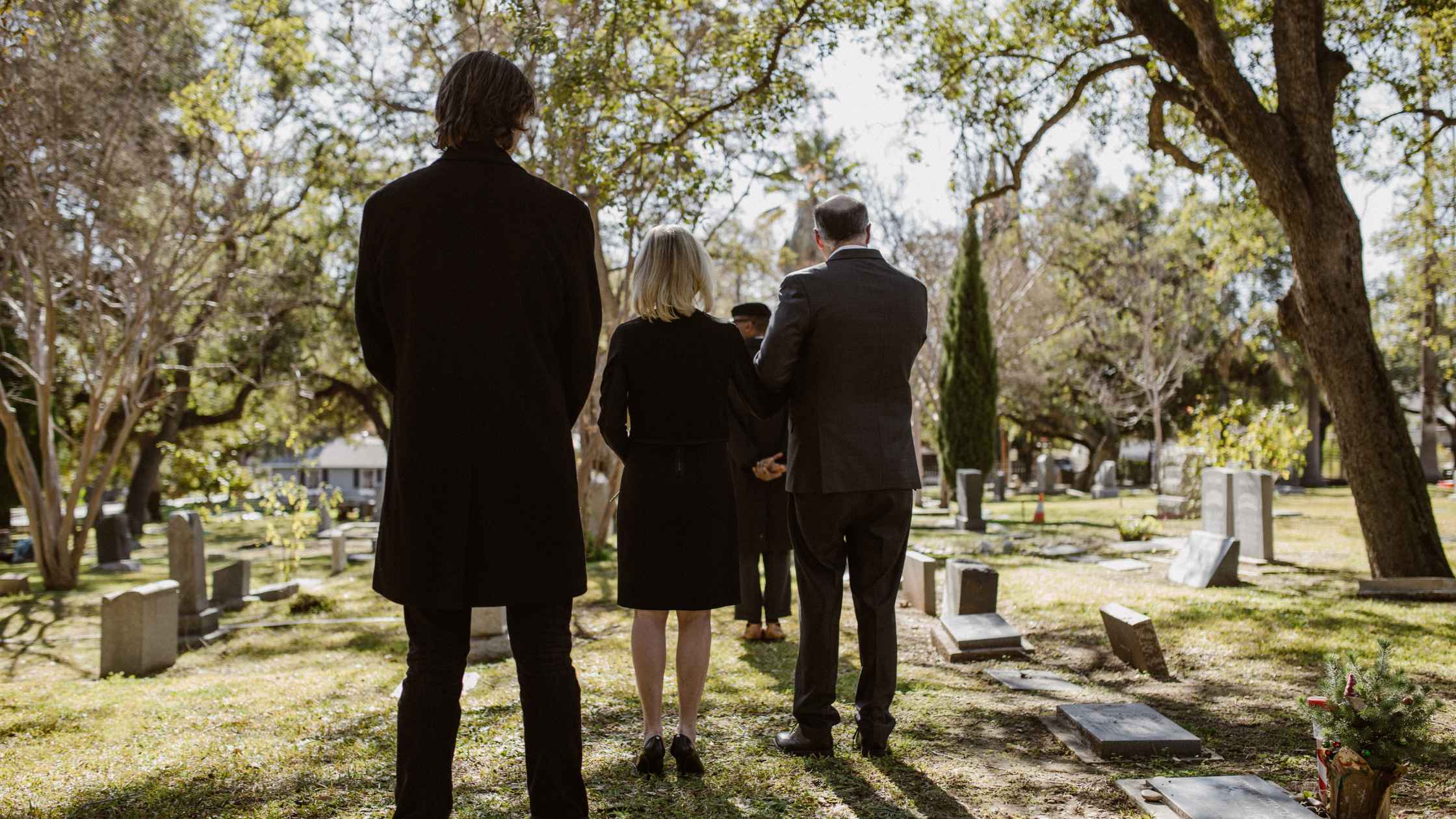
Celebration of life vs. funeral comes down to structure and tone: a traditional funeral usually follows a set religious or ceremonial order, while a celebration of life is less formal and is built around the person’s music, hobbies, friends and stories. Choosing between them often happens during one of the hardest moments a family will face. Along with grief, you may be trying to understand services, costs, traditions and what your loved one would have wanted. It helps to know how the two formats differ, what questions to ask and what support to expect.
Henderson’s Funeral & Cremation Care, at 3500 Sixth Avenue in Des Moines, plans both formats for families across the metro, including Urbandale, Clive and Ankeny, through its funeral services and personalized tributes. In Episode 11 of the funeral home’s podcast, From Compassion to the Conversation, licensed funeral director Rick Ramsey walked host Mike Downer through how a celebration of life differs from a traditional funeral, and his experience is quoted by name throughout this guide.
What Is a Celebration of Life?
A celebration of life is a personalized memorial gathering focused on who the person was, and Rick Ramsey defines it as a service that “tends to be a little less formal and a little more personalized compared to a traditional funeral service.”
He says its structure is “geared more toward the deceased’s music, hobbies, and things they liked to do, as opposed to a strict religious order.” It can be held after burial or cremation, and in a funeral home, a church or another place that meant something to the person.
How Is a Celebration of Life Different From a Traditional Funeral?
A traditional funeral follows a familiar order, while a celebration of life has no set order and can be as short or as long as the family wants. Rick describes a traditional service as a church hymn, a eulogy from an officiant, another hymn and the reading of the obituary, and he says that format “really doesn’t touch much on the life of the deceased.”
At a celebration of life, he says, families often show a four- or five-minute video with up to 150 photos that follows the person’s life from start to finish, including hobbies, friends and family. Asked how flexible the format is compared with a traditional religious service, Rick answered, “It’s night and day.”
Neither format is better than the other. A funeral can be deeply personal, and a celebration of life can include prayer, hymns and Scripture when the family wants them.
Which Type of Service Fits Your Family?
The right service depends on your family’s faith, your loved one’s personality and how much structure you want, and a good funeral director can help you weigh each option. You do not need every detail decided before the first conversation.
Traditional Funeral Services
A traditional funeral may include a visitation or viewing, a formal ceremony, transportation, and a graveside service. This familiar structure gives relatives and friends space to gather, share memories, and say goodbye.
Traditional does not have to mean impersonal. Music, readings, photographs, religious customs, and meaningful objects can help the service reflect the person being remembered.
Cremation Services
Cremation can be arranged in several ways. Some families choose direct cremation without a formal service. Others hold a visitation or funeral before cremation, or plan a memorial gathering afterward.
Celebration of Life Gatherings
A celebration of life can offer more flexibility in format, timing, and location. Families may include favorite music, photographs, videos, food, artwork, stories, or other details that reflect the person’s personality.
There is no single format that works for every family. What matters is creating a gathering that feels sincere and gives people space to remember and support one another.
Why Are More Families Choosing a Celebration of Life?
Rick says families choose a celebration of life because it gives them more flexibility in the order of the service and makes the service more personal. “It really puts a personalized touch on the funeral service,” he says, and a well-made photo video “shows that their life was well lived.”
Some families also want the gathering to feel lighter. Rick says families often come in and tell him their loved one “didn’t want a long, drawn-out grief service” and “wanted everybody to be happy.”
When Should a Celebration of Life Be Held?
A celebration of life can be held right away or planned for later, and Rick says many families choose to wait. Sometimes relatives live across the country and need time to arrange work and travel, and sometimes the family simply is not ready yet.
After cremation, Rick says, a celebration of life may happen two, four or six weeks later, or even six months later. A traditional funeral with the body present is usually held sooner, so the timeline is one of the clearest practical differences between the two.
Where Can a Celebration of Life or Funeral Take Place?
A celebration of life can take place almost anywhere, including a funeral home, a church, a lodge or a family’s backyard, while a funeral is usually held in a chapel or place of worship. Rick says one of the most memorable celebrations of life he has been part of took place at an Elks Lodge, with all the members there, and Henderson’s has also helped with gatherings in people’s backyards.
Consider the location in relation to family members, a cemetery, or a place of worship. Ask about parking and accessibility for older adults or guests with mobility needs. If you expect a large turnout, make sure the space can accommodate it comfortably.
For a smaller gathering, you may prefer a more intimate setting. If relatives live far away, ask whether livestreaming or other remote participation options are available.
How Can You Personalize a Funeral or Celebration of Life?
You can personalize either format with music, photographs, video, stories and the objects your loved one cared about. Rick says Henderson’s asks the family for as many photographs as they have, adds photos from friends, and creates a video with music that often plays on a loop before and after the service.
Rick has also seen musicians remembered with two or three of their own guitars set up at the front, and during the service a family member or friend may pick one up and play it. Our summary of the episode covers what to look for in a Des Moines funeral home for a celebration of life.
Favorite songs, photographs, readings, stories, artwork, military items, or other personal belongings can help guests recognize the person they knew.
Cultural and religious traditions deserve thoughtful attention too. If your family has specific customs, ask whether the funeral home can accommodate them and work with clergy, faith leaders, or family members.
How Long Is a Celebration of Life?
A celebration of life can last an hour or an hour and a half, or only 15 or 20 minutes, Rick says, and the family decides. It may have one or two speakers or half a dozen.
Rick says Henderson’s tries to accommodate nearly any request, with one limit he named on the podcast: the funeral home is not able to serve liquor at the service.
How Do Costs Compare, and What Should You Ask About Pricing?
Either format can be simple or elaborate, so the cost depends on the goods and services you choose, and you have the right to itemized prices for each one. Cost is a practical concern, and asking about it does not make a service less meaningful.
Under the federal Funeral Rule, consumers have the right to receive itemized pricing information and to choose the funeral goods and services they want, with certain exceptions. The Federal Trade Commission explains that funeral providers must provide a General Price List when funeral arrangements are discussed in person. It also outlines protections involving embalming, direct cremation, caskets, and other funeral goods and services.
When discussing costs, ask what is included and what may be billed separately. That can include transportation, preparation, facilities, merchandise, cemetery charges, crematory charges, permits, death certificates, flowers, obituary placement, video tributes, venue fees and other third-party expenses.
What Details Does a Funeral Home Handle for Either Format?
A funeral home can handle the transfer of your loved one, paperwork, cemetery or crematory coordination, the obituary, photo and video tributes and communication with clergy, whichever format you choose. Asked what Henderson’s helps coordinate for a celebration of life, from the venue and timing to music and memorabilia displays, Rick answered, “All of it.”
Death certificates are another practical concern. The Iowa Department of Health and Human Services maintains Iowa vital records, including death records, and explains how eligible individuals can obtain certified copies. Ask your funeral director how the process works and how many copies may be useful for your circumstances.
If your loved one served in the military, ask about available honors and benefits. The U.S. Department of Veterans Affairs explains that eligible veterans and families may qualify for burial benefits, memorial items, burial allowances, transportation reimbursement, and other support.
Can You Pre-Plan a Celebration of Life or a Funeral?
Yes. Some people plan in advance so their preferences are documented and their family has fewer decisions to make later. Rick says that coming in before a death means “you’re going to be in a clearer state of mind” and can say how you would like to be honored.
Pre-planning can cover the type of service, burial or cremation, music, readings, religious traditions, and other personal details. It also gives you more time to review costs.
Ask what is documented, whether plans can be changed, how prepaid funds are handled, and what happens if you move. These conversations may feel uncomfortable, but clear wishes can reduce uncertainty later.
What Should You Ask a Funeral Home Before You Decide?
A few direct questions can show whether a funeral home will build the service around your loved one. Consider asking:
- Do you plan both traditional funerals and celebrations of life?
- What is included in the quoted price, and what is optional or charged by third parties?
- Can you create a photo video or tribute with music?
- Can the service take place outside the funeral home, such as at a lodge, a park or a home?
- Can we hold a celebration of life weeks or months after cremation?
- Who will be our main point of contact?
- Can you accommodate our cultural or religious traditions?
- How do you handle transportation, permits, and death certificates?
- What support is available after the service?
The answers should leave you feeling more informed, not more overwhelmed. You should understand both what you are choosing and what will happen next.
How Do You Choose Between a Celebration of Life and a Funeral?
Choose the format that sounds most like the person you are honoring and that gives your family the kind of goodbye it needs. Rick suggests starting with one question: “What brings a smile to your face when you think of that loved one who has passed?” Then share those memories with your funeral director.
There is no single correct way to say goodbye. One family may find comfort in a traditional funeral and burial. Another may prefer cremation followed by an informal gathering. Others may combine traditions or create something entirely personal.
The right care should help your family feel supported, not rushed, whichever format you choose.
You Do Not Have to Figure Everything Out on Your Own
Choosing between a funeral and a celebration of life while grieving can leave you making important decisions when even simple choices feel difficult. You may be wondering what kind of service is appropriate, what your loved one would have wanted, how much everything will cost, or how to bring different family wishes together.
At Henderson’s Funeral & Cremation Care, we understand that families often come to us with questions, not a finished plan. We begin by listening. Then we explain the options clearly and help you create arrangements that reflect your loved one, your family, your traditions, and your budget.
Whether you need immediate assistance or want to talk about planning ahead, you do not have to make every decision alone. Contact Henderson’s Funeral & Cremation Care to start a conversation, or begin a pre-plan at a pace that feels right for your family.
Frequently Asked Questions
What Is the Difference Between a Funeral and a Celebration of Life?
A funeral often follows a more traditional structure and may occur before burial or cremation. A celebration of life is generally more flexible in timing, setting, and format, and it centers on the person’s personality, hobbies and relationships.
Is a Celebration of Life the Same as a Memorial Service?
They overlap. A memorial service is a gathering held without the body present, and a celebration of life is a less formal style of gathering that focuses on the person’s life, so many celebrations of life are also memorial services.
Does a Celebration of Life Have to Happen Right After a Death?
No. Rick Ramsey of Henderson’s says many families hold it two, four or six weeks later, or even six months later, especially after cremation.
How Long Is a Celebration of Life?
It is up to the family. Rick says a celebration of life may last an hour or an hour and a half, or only 15 or 20 minutes.
Where Can a Celebration of Life Be Held?
Almost anywhere that suits the family, including a funeral home, a church, a lodge or a backyard. Rick recalls a memorable celebration of life held at an Elks Lodge.
Can a Funeral Home Help Plan a Celebration of Life?
Yes. Rick says Henderson’s helps with the venue, timing, music, memorabilia displays and a photo video set to music.
Do Funeral Homes Have to Provide Pricing Information?
Federal rules require funeral providers to give consumers specific price information and disclosures. You may also choose individual goods and services in many circumstances, so you do not have to buy a package.
Should I Pre-Plan My Funeral?
Pre-planning can document your wishes and reduce uncertainty for family members. Before making financial commitments, ask how plans are funded, whether they can be changed, and what happens if you move.